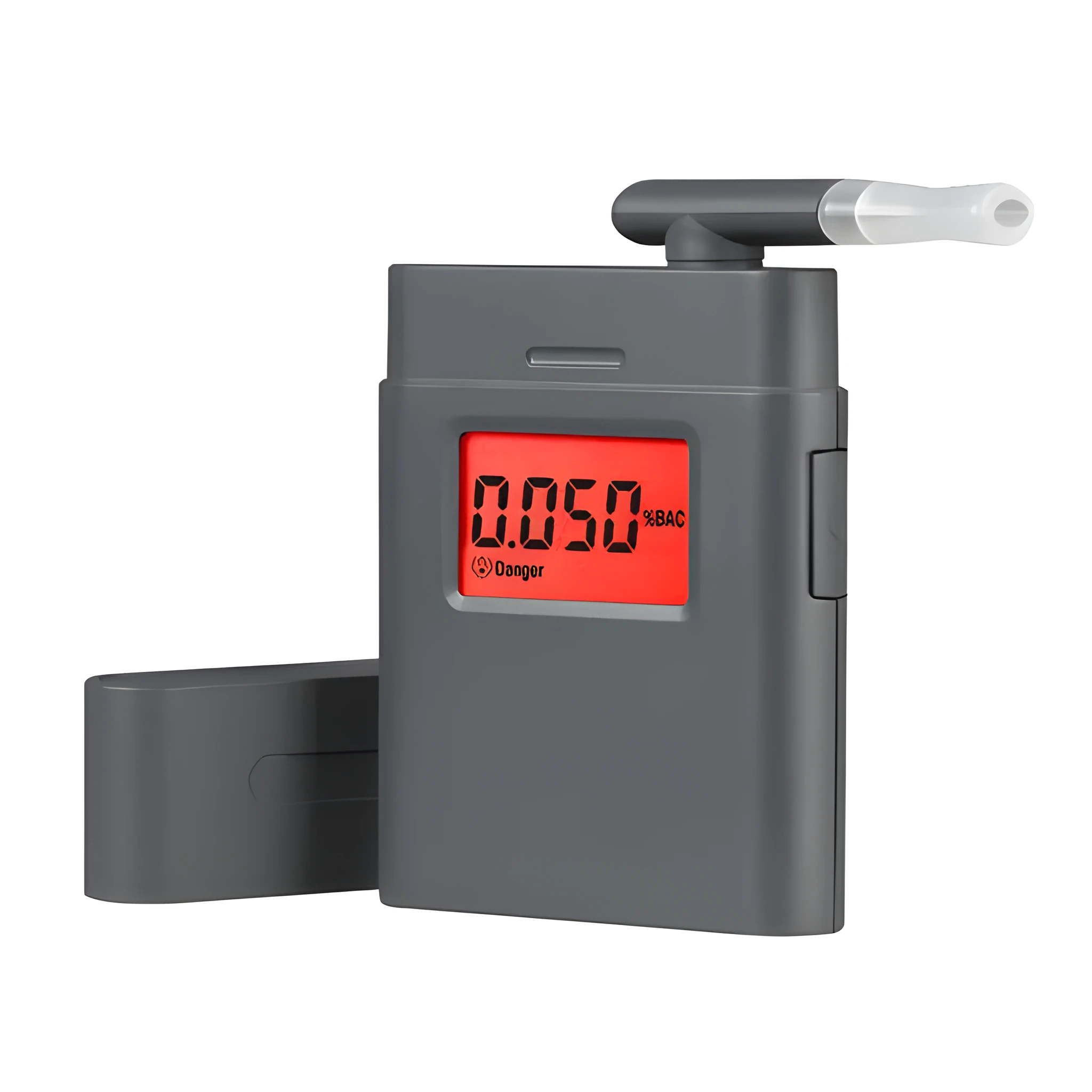
AT-838 Professional Breath Alcohol Detector for Drivers and Dangerous Operators with 0.000-0.199% BAC Measurement Range and 99% Accuracy Powered by AAA Batteries in Black


AT-838 Professional Breath Alcohol Detector for Drivers and Dangerous Operators with 0.000-0.199% BAC Measurement Range and 99% Accuracy Powered by AAA Batteries in Black
AT-838 Professional Breath Alcohol Detector for Drivers with 99% Accuracy and Fast 5-Second Results
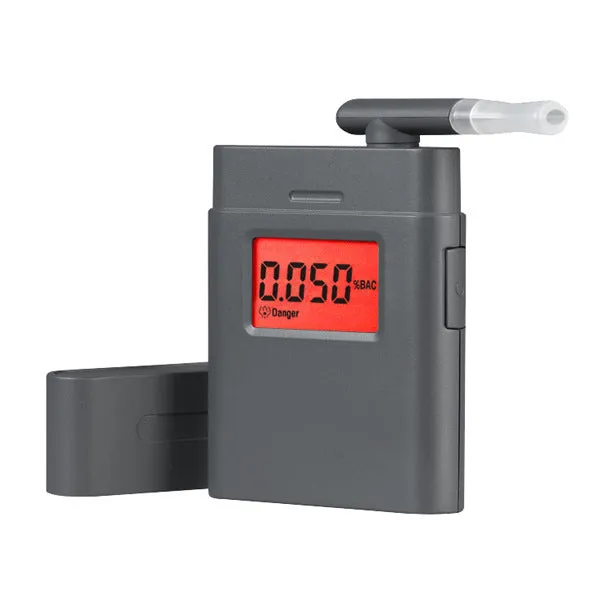
The AT-838 is a professional-grade breath alcohol detector designed for the specific task of measuring blood alcohol concentration (BAC) in drivers and operators of dangerous machinery. It provides a critical tool for safety checks, delivering readings within a defined 0.000 to 0.199% BAC range. The device is built around a straightforward operational principle: after a brief initialisation, it analyses a breath sample and presents a result with its stated 99% accuracy. Powered by common AAA batteries, it offers a portable and practical solution for environments where checking for alcohol impairment is necessary.
Features and Construction

This detector's construction is centred on its core measurement function. The technical specifications provided define its capability and operational parameters, forming the basis of its design and intended use case.
Material and Build
The AT-838 is built as a handheld respiratory alcohol detector. Its housing and internal components are assembled to safely contain the sensor and electronic systems required for breath analysis. The device is finished in a practical black colour, as indicated by the product option. The material choice supports the device's primary function of providing a reliable platform for its stated measurement accuracy and range.
Size and Practical Fit
As a portable detector, its design prioritises functionality for its target users. While exact dimensions are not specified, the form factor is typical of a handheld breathalyser, intended to be easily operated by an individual conducting a check. Its power system using two AAA alkaline batteries contributes to its portability, eliminating the need for a mains power connection and allowing for use in various settings, from vehicle checkpoints to workplace entrances.
Uses and Placement

The AT-838's application is clearly defined by its source description, focusing on professional and safety-oriented scenarios where determining alcohol consumption is essential.
Event or Professional Use
This detector is explicitly intended for checking drivers and other dangerous operators. This makes it suitable for use by transport companies, logistics firms, construction sites, industrial plants, and any organisation where operating vehicles or heavy machinery under the influence poses a significant risk. Its 99% stated accuracy provides a basis for informed decision-making in these professional contexts.
Everyday Home Use
While designed for professional operator checks, the device's principle can apply to personal responsibility scenarios. Individuals concerned about their fitness to drive after social events may use it for a personal check, adhering to the same measurement standards. However, its primary design and stated purpose remain aligned with formal checking procedures for operators.
Benefits and Buying Value

The value of the AT-838 lies in its specified performance metrics and practical operation, offering a tool for implementing safety protocols.
Reuse and Low Maintenance
The device is designed for repeated use, with a simple battery-powered system. The use of standard AAA alkaline batteries means power is easily replenished without specialised chargers or cables. The operational cycle—10-second preheat, then a 5-second measurement—supports efficient, back-to-back checks if needed, contributing to its utility in environments where multiple operators may need screening.
Why Choose This Product
Choosing the AT-838 is based on its clear specification for a defined task: measuring BAC up to 0.199% with 99% accuracy for safety checks. Its value comes from providing a measurable, objective result quickly, using a self-contained power source. It addresses the need for a practical, device-based check in settings where visual assessment is insufficient and where a documented measurement range and accuracy are relevant factors.