
Thai honey product jar of raw pure black honey produced by Apis cerana bees in natural forest environments with thick rich texture dark amber colour for culinary use and traditional health benefits as a natural sweetener alternative

Thai honey product jar of raw pure black honey produced by Apis cerana bees in natural forest environments with thick rich texture dark amber colour for culinary use and traditional health benefits as a natural sweetener alternative
T1 Black Thai Honey: Raw Forest Honey Produced by Apis Cerana Bees with Thick Texture
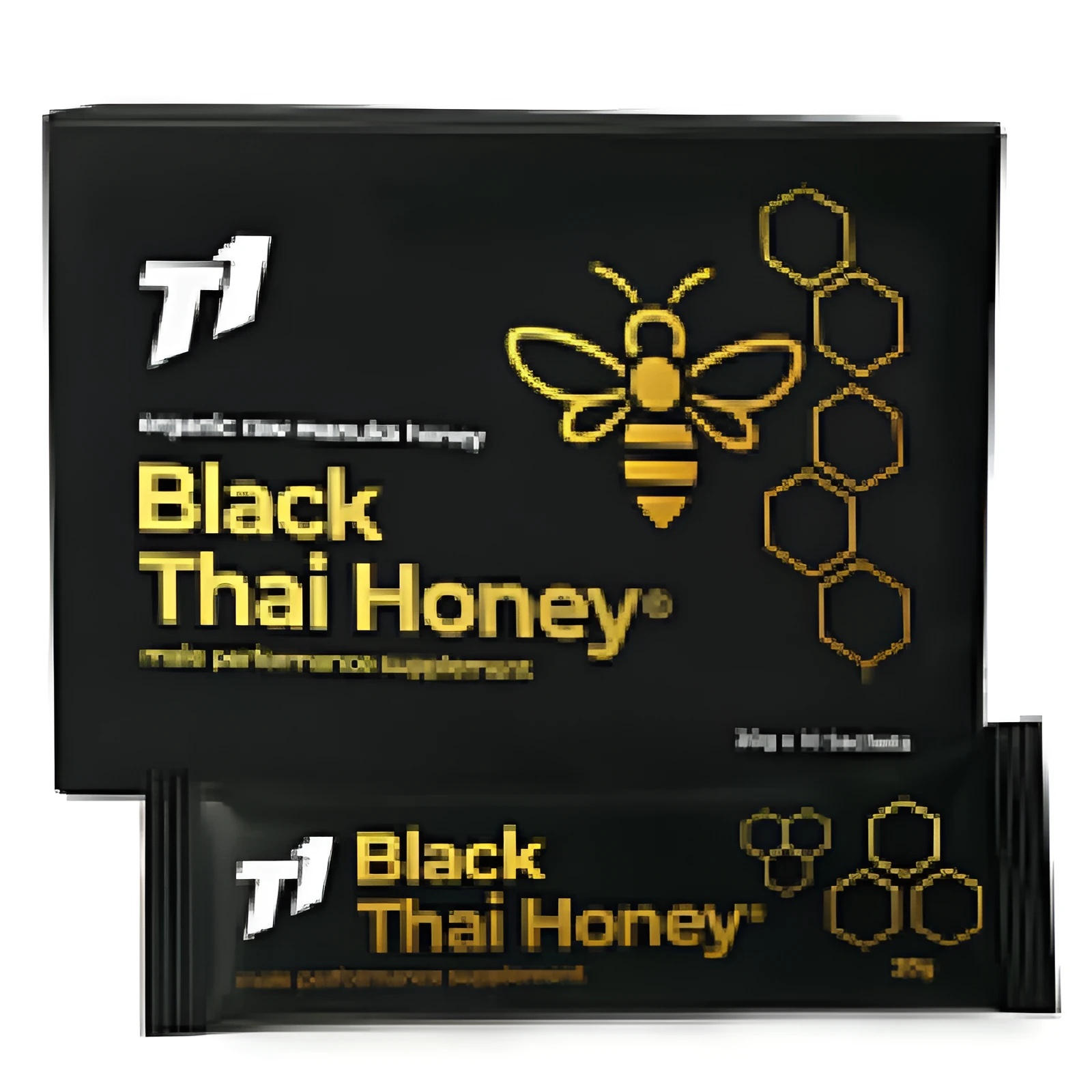
This Thai honey product offers a distinctive sweetening option for households seeking natural alternatives to processed sugars. The honey is characterised by its dark amber colouration and thick, rich texture, providing a depth of flavour that differs from lighter commercial honey varieties. Produced by Apis cerana bees in natural forest environments, this honey represents a traditional beekeeping product without artificial additives or extensive processing. The product arrives in simple jar packaging with a black colour designation, ready for culinary use in various applications from baking to beverage preparation. While specific floral sources and detailed production methods aren't specified, the forest environment origin suggests diverse botanical influences on the final product's characteristics.
Features and Construction
The T1 Black Thai Honey presents several distinguishing characteristics based on its production method and physical properties. As a raw honey product, it maintains its natural state without additional processing that might alter texture or flavour compounds. The thick consistency indicates a lower water content typical of mature honey, while the dark amber colour suggests the presence of certain botanical compounds and minerals that influence both appearance and taste profile.
Material and Build
This honey consists entirely of pure honey produced by Apis cerana bees, a species distinct from the more common Apis mellifera used in many commercial operations. The bees forage in natural forest environments rather than cultivated monocultures, potentially creating more diverse flavour profiles. The product is described as raw, indicating it hasn't undergone pasteurisation or extensive filtration that would remove natural pollen, enzymes, and other compounds present in untreated honey. The thick texture suggests proper ripening and moisture control during production, while the dark amber colour results from both botanical sources and processing methods.
Size and Practical Fit
The honey arrives in jar packaging suitable for household use, though exact jar dimensions and weight aren't specified in the available product information. The single jar format provides sufficient quantity for regular culinary use without requiring excessive storage space. The packaging's black colour designation may refer to either jar colour or labelling elements, creating visual distinction from lighter-coloured honey products on shelves. The product format enables straightforward dispensing for cooking, baking, or direct consumption without specialised equipment or handling requirements.
Uses and Placement
This Thai honey serves multiple culinary and traditional purposes within household settings. The thick texture and dark colour make it visually and texturally distinctive compared to mass-produced honey varieties, suitable for applications where these characteristics are desirable. As a natural sweetener alternative, it can replace refined sugars in various recipes while contributing its own flavour notes to finished dishes and beverages.
Event or Professional Use
While primarily positioned as a household product, this honey could serve professional culinary applications where distinctive honey characteristics are valued. The dark amber colour and thick texture make it suitable for decorative elements in pastry work or as a featured ingredient in artisanal food products. The forest production origin and Apis cerana bee source provide narrative elements for food service establishments emphasising traditional or regional ingredients. Caterers and bakers might incorporate it into dishes where honey flavour needs to stand alongside other strong ingredients without being overwhelmed.
Everyday Home Use
For daily household applications, this honey functions as a versatile sweetening agent in tea, coffee, breakfast preparations, and baked goods. The thick texture makes it spreadable on toast or pancakes, while the rich flavour complements both sweet and savoury dishes. The natural forest production origin appeals to consumers interested in minimally processed food products with traditional production methods. Households can incorporate it into homemade remedies, marinades, salad dressings, and preserves where honey serves as both sweetener and preservative agent.
Benefits and Buying Value
The T1 Black Thai Honey offers practical advantages through its production method and physical characteristics. As a raw product from forest environments, it represents a less processed alternative to commercially refined honeys, maintaining natural enzymes and compounds that might be affected by extensive processing. The specific bee species and production environment contribute to distinctive characteristics that differentiate it from mass-market alternatives.
Reuse and Low Maintenance
The jar packaging facilitates easy storage and reuse once the honey is consumed, serving as containers for other household items if desired. Honey itself requires minimal maintenance beyond basic storage in cool, dry conditions away from direct sunlight. The product's natural preservative qualities mean it remains usable for extended periods without refrigeration when properly stored. The simple packaging reduces waste compared to complex multi-material containers, while the durable glass jar protects contents from environmental factors that might affect quality.
Why Choose This Product
This honey appeals to consumers seeking distinct flavour profiles and traditional production methods rather than standardised commercial products. The Apis cerana bee source and forest environment origin provide specific characteristics that differentiate it from honeys produced by different bee species in cultivated environments. The dark amber colour and thick texture offer visual and textural indications of maturity and botanical diversity. For households prioritising natural, minimally processed ingredients with traditional production backgrounds, this product represents a specific choice within the broader honey category.