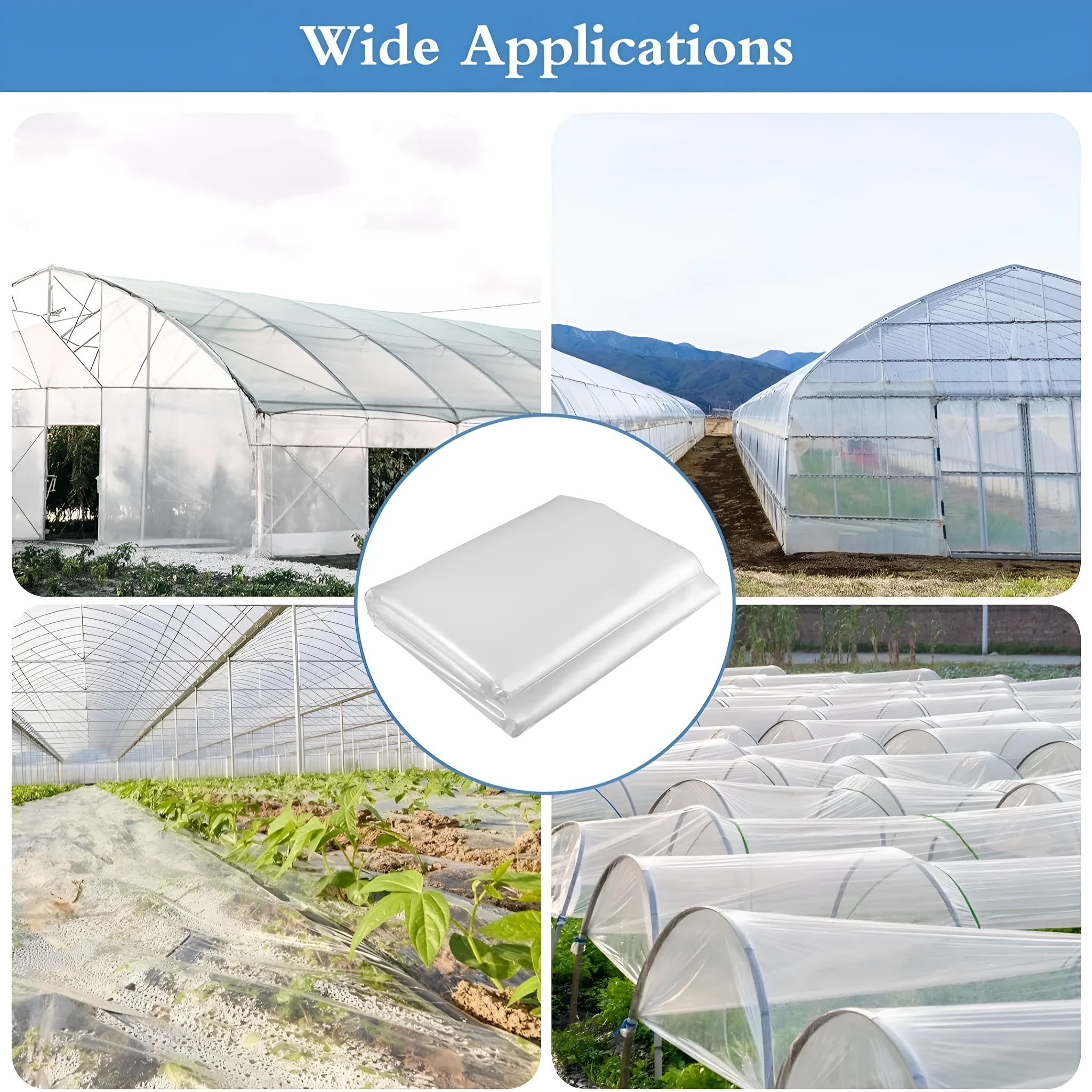
Greenhouse cold film plastic sheet insulation material for vegetable sheds and agricultural cold protection, 4×8 metre size available in 8 silk or 15 silk thickness options with film construction for seasonal crop protection


Greenhouse cold film plastic sheet insulation material for vegetable sheds and agricultural cold protection, 4×8 metre size available in 8 silk or 15 silk thickness options with film construction for seasonal crop protection
4×8 metre greenhouse cold film plastic sheet for vegetable shed insulation and agricultural cold protection
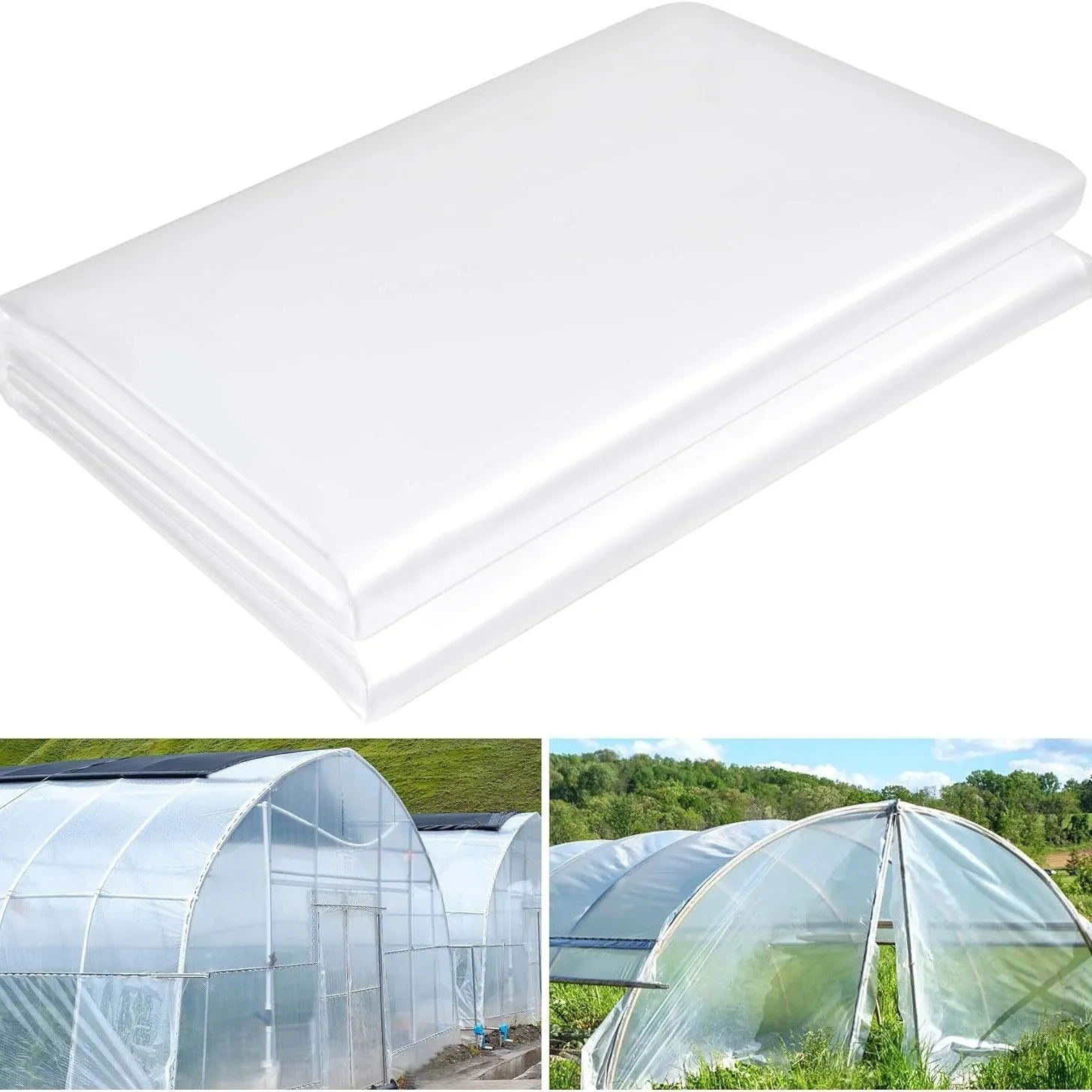
This plastic film serves as practical cold protection material specifically designed for greenhouse and vegetable shed applications during cooler growing seasons. Measuring 4×8 metres, it provides sufficient coverage for standard garden beds or smaller agricultural structures needing temperature regulation. Available in either 8 silk or 15 silk thickness options, users can select based on their specific insulation requirements and local climate conditions. The film construction creates a basic barrier against external cold while maintaining light transmission essential for photosynthesis and plant development. This material addresses the practical need for seasonal crop protection without complex installation systems, focusing on straightforward cold-proof functionality for vegetable cultivation.
Features and Construction

The greenhouse cold film offers practical cold protection through its material properties and available thickness options. Measuring 4×8 metres, it provides coverage suitable for standard gardening applications while maintaining manageable handling dimensions. The plastic film construction balances light transmission with temperature barrier creation, supporting plant growth while offering basic insulation.
Material and Build
Constructed from plastic film material, this product creates a physical barrier against cold temperatures while allowing essential light penetration. The film construction provides basic insulation properties without specialised coatings or complex laminates. This straightforward material approach focuses on cost-effective cold protection that performs reliably for seasonal vegetable cultivation needs. The plastic film material offers sufficient durability for temporary seasonal installations while maintaining the flexibility needed for covering greenhouse structures.
Size and Practical Fit
The 4×8 metre dimensions provide coverage for standard vegetable garden beds, small greenhouses, or specific sections within larger agricultural structures. This size allows practical installation without requiring complex joining or overlapping of multiple sheets for most small-scale applications. The rectangular proportions accommodate common greenhouse designs while providing sufficient overlap for secure fastening around edges. For larger structures, multiple sheets can be arranged side-by-side with appropriate overlap to prevent cold air infiltration at joins.
Uses and Placement

Designed specifically as greenhouse cold film, this product serves vegetable shed applications needing additional insulation during cooler growing seasons. The material provides protection against sudden temperature drops that can stunt plant growth or damage sensitive vegetable crops. Its practical applications extend to both amateur gardening and small-scale agricultural settings where seasonal cold protection is required.
Event or Professional Use
For professional agricultural applications, this cold film offers supplementary insulation for seedling propagation areas or temperature-sensitive crops within larger greenhouse operations. Market gardeners and small-scale commercial growers can use it to extend the growing season for high-value vegetables that benefit from stable temperatures. The availability of two thickness options allows professionals to select based on local climate conditions and specific crop requirements, with 15 silk providing greater insulation for more demanding applications than the 8 silk option.
Everyday Home Use
Home gardeners and allotment holders will find this cold film practical for protecting vegetable crops during spring and autumn when temperatures fluctuate significantly. The 4×8 metre size conveniently covers standard raised beds, small polytunnels, or makeshift cold frames constructed from available materials. Installation requires only basic fastening with clips, weights, or simple framing, making it accessible for gardeners without specialised equipment. The film allows sufficient light transmission for photosynthesis while creating the microclimate needed for vegetables to thrive during marginal growing conditions.
Benefits and Buying Value
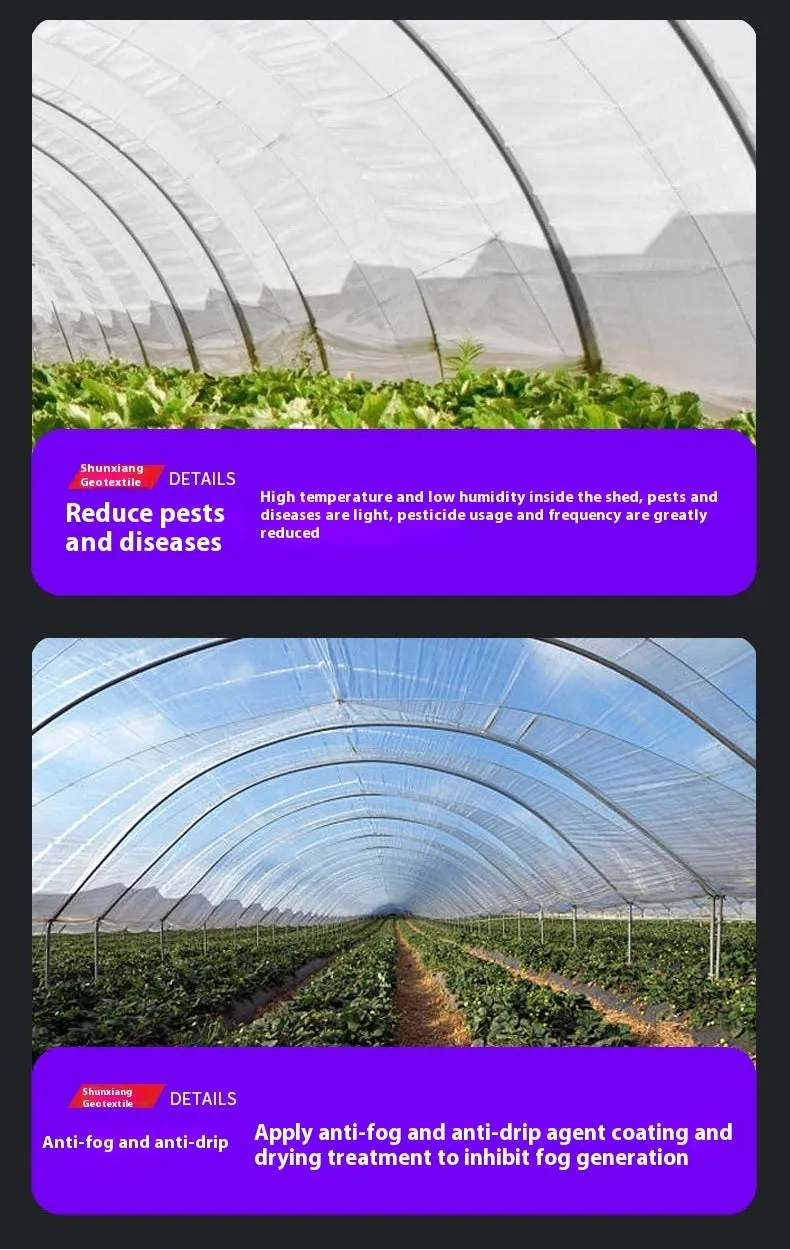
This greenhouse cold film provides practical temperature regulation through its material properties and available thickness options. The product addresses the specific need for seasonal cold protection in vegetable cultivation without requiring complex or permanent installation systems. Users benefit from straightforward application and removal as temperatures change throughout the growing season.
Reuse and Low Maintenance
With proper handling and storage, this plastic film can be reused across multiple growing seasons, providing ongoing value from a single purchase. Between uses, the material requires only basic cleaning and dry storage away from direct sunlight to maintain its condition. No specialised maintenance or treatment is needed, making it practical for seasonal gardeners who need reliable cold protection without ongoing investment in more complex systems. The durable plastic construction withstands typical seasonal weather conditions while remaining flexible enough for repeated installation.
Why Choose This Product
This cold film offers practical advantages through its specific sizing and thickness options tailored to vegetable cultivation needs. The 4×8 metre dimensions suit common garden applications, while the 8 silk and 15 silk choices allow customisation based on local climate and crop sensitivity. Unlike generic plastic sheeting, this product is specifically designated as greenhouse cold film, meaning it balances light transmission with insulation properties for plant growth applications. The straightforward plastic film construction provides reliable cold protection without unnecessary features that increase cost or complexity for basic seasonal use.